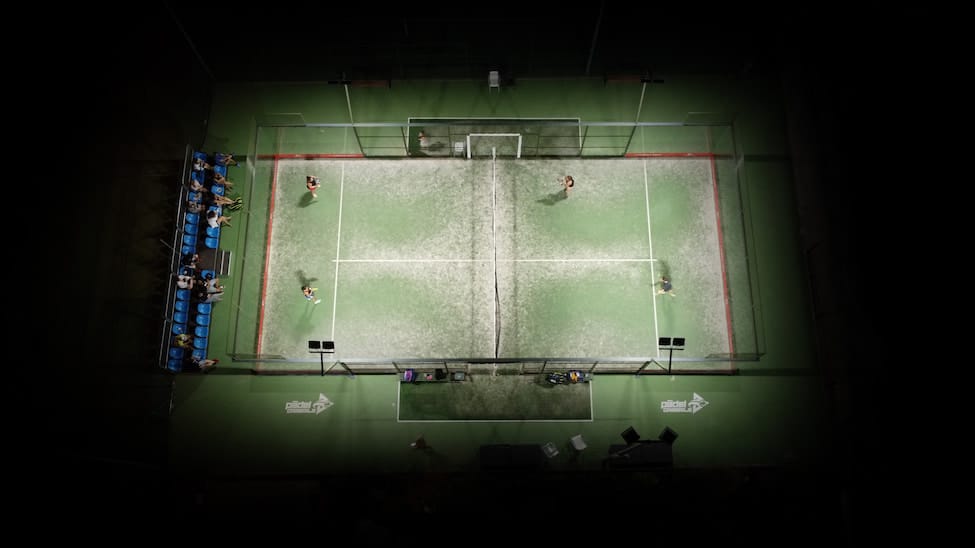
Padel courts in Miami: Structural resistance and market growth
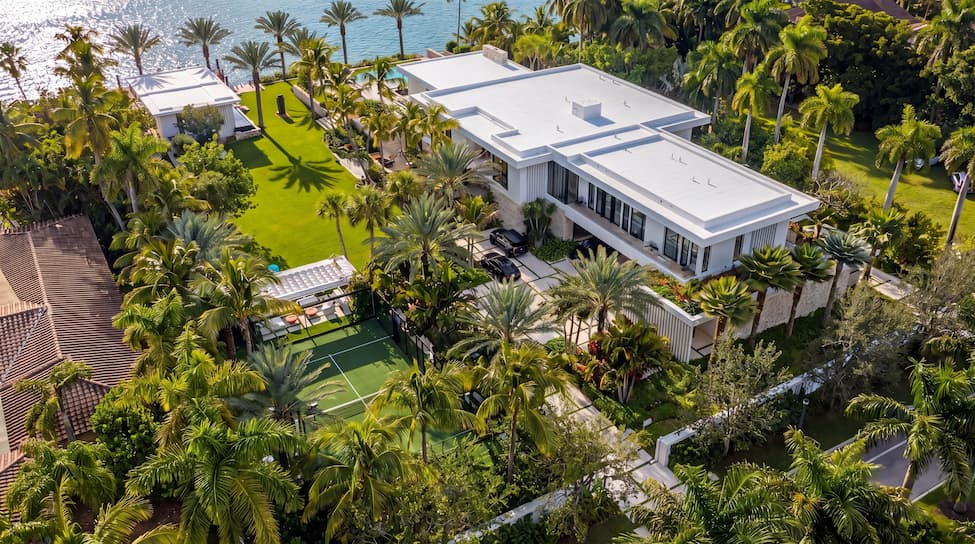
Over the last six years, the United States has experienced an unprecedented explosion in the demand for sports facilities. While the country is not yet ranked within the global top 10 in terms of total courts, it has become one of the fastest-growing markets in the world. Since 2019, the number of courts has seen a staggering 3,250 percent increase. Within this landscape, Florida has established itself as the heart of the sport, with Miami leading the phenomenon through its more than 200 courts and 30 active clubs.
The city of Miami attracts investors due to its multicultural population and a climate that allows for year-round play. However, padel court installation in Miami presents a unique technical challenge that cannot be overlooked: the local weather. Heavy rains, high salinity, and the increasing frequency of hurricanes force developers to prioritize infrastructure that guarantees long-term investment security.
Weather challenges and structural safety
The impact of extreme weather is a real concern for club owners. In recent years, several facilities in vulnerable areas have been completely destroyed by high winds, leading to irreparable economic losses. Beyond the cost of the materials, the loss of operational days and the impact on the user experience can jeopardize the viability of any project.
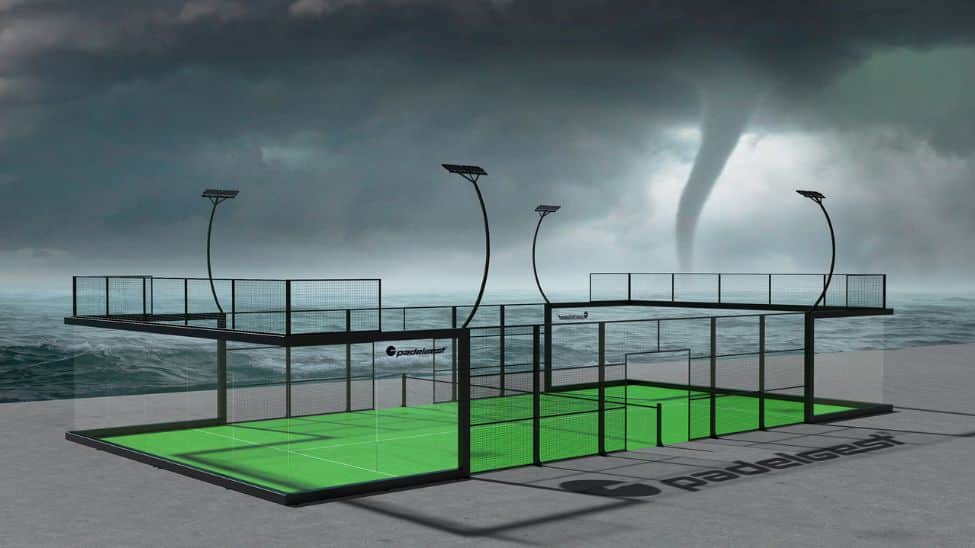
To address these conditions, specific engineering has been developed to withstand winds of up to 290 km/h. Padelgest has recently marked a milestone in the region by installing the first hurricane-proof padel court in Miami, featuring an exclusive, fully panoramic design. This advanced structure responds directly to the climate challenges of Florida, where extreme storms are becoming increasingly severe.
One of the most significant advantages of this technology is that it does not require the removal of glass panels during storm alerts. This feature significantly reduces operational costs, protects the owner’s investment, and ensures that the club can return to activity almost immediately after a weather event has passed.
Innovation in high-resistance installations
This level of technical robustness is the defining feature of the Max Padel Courts range. These models are engineered with a cold-rolled steel exoskeleton and the dual shock system, which uses 5 mm neoprene to eliminate vibrations and protect the glass panels. These structures are certified by professional architectural boards to meet the strictest international building codes, including level C1 requirements for hurricane zones.
The installation of these courts is always based on a deep analysis of climate risks and a thorough review of local construction standards. By collaborating with international experts, Padelgest offers solutions that maintain the aesthetic quality of a panoramic court while providing maximum safety.
In a market that aims to be a global benchmark by 2030, choosing resilient facilities is no longer an option but a business necessity. Investing in high-quality, hurricane-proof infrastructure is the best way to ensure the sustainable growth and future of padel in Florida.